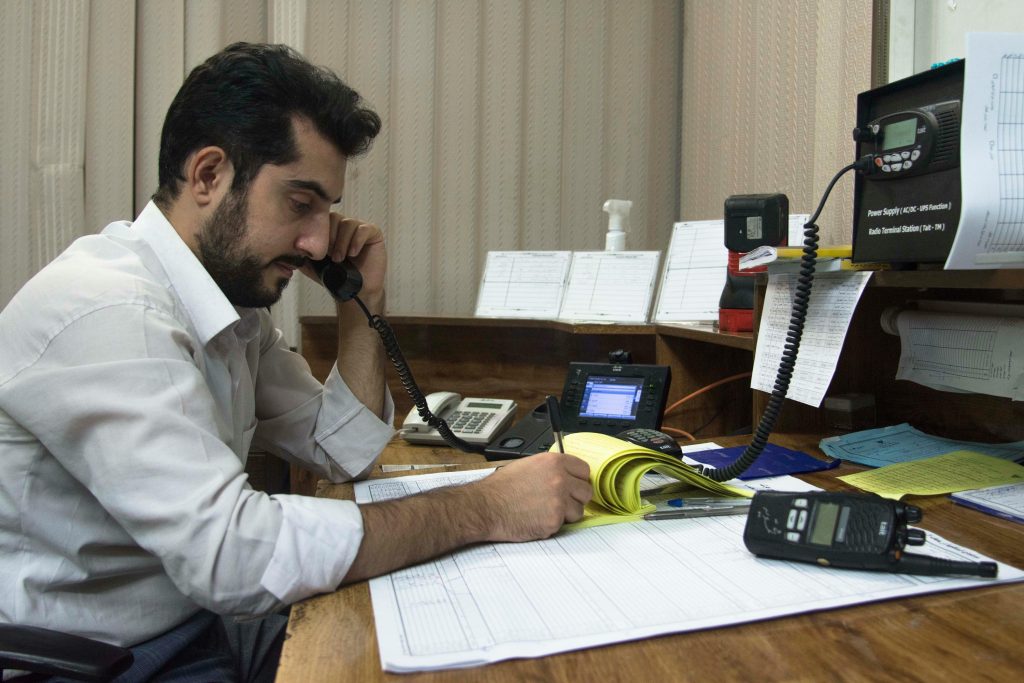

For many organisations, voicemail still feels like a reasonable operational fallback. If a call is missed, the caller leaves a message and the team follows up later.
On paper, it appears functional. In reality, voicemail quietly erodes revenue, customer confidence, and operational efficiency.
In a business environment where speed and responsiveness shape decision-making, relying on voicemail is no longer a neutral choice. It is a measurable commercial risk.
The Reality of Missed Calls Today
Customer behaviour has changed. When a call goes unanswered, most people do not wait. They contact the next provider, book elsewhere, or move on entirely.
Across service-driven industries, the pattern is consistent:
- A large proportion of callers do not leave voicemail
- Missed calls are rarely recovered through callbacks
- Time-sensitive enquiries lose value rapidly once delayed
This applies across professional services, healthcare, hospitality, trades, property, and B2B environments. The issue is not effort or intent. It is response time.
Voicemail does not respond. It postpones. And postponement costs business.
What Missed Calls Really Cost
Consider a conservative and commonly observed scenario:
- 80 inbound calls per week
- 30% go unanswered during busy periods
- Around 60% of missed callers do not leave a message
That results in approximately 14 lost opportunities per week.
Applying modest average values:
| Business Type | Avg Value per Call | Weekly Revenue at Risk |
|---|---|---|
| Professional Services | $300 | $4,200 |
| Medical / Allied Health | $180 | $2,520 |
| Trades & Services | $220 | $3,080 |
| Hospitality | $75 | $1,050 |
These are not edge cases. They reflect everyday operating conditions. Voicemail turns missed calls into invisible losses, revenue that never appears on a report, but never returns.
Why Callbacks Rarely Recover the Opportunity
Many organisations rely on callbacks as a safety net. The problem is timing. By the time a callback is made:
- The customer has often already committed elsewhere
- The urgency has passed
- Confidence in responsiveness has diminished
In competitive markets, the business that responds first frequently wins. Voicemail delays engagement at the exact moment customers are ready to act.
How an AI Receptionist Changes the Equation
An AI receptionist does not replace your team or decision-making. It removes the gap between intent and response. Solutions such as HiThere AI are designed to answer calls instantly, capture caller intent, and convert enquiries into structured actions rather than passive messages.
The impact is immediate:
- Calls are handled in real time, even during peak demand
- Enquiries are categorised and prioritised consistently
- Appointments and next steps can be secured on the spot
- Every interaction is logged automatically, reducing administrative load
The result is continuity, regardless of staff availability, call volume, or time of day.
Voicemail vs AI Receptionist: A Clear Comparison
| Capability | Voicemail | AI Receptionist |
|---|---|---|
| Answers calls instantly | No | Yes |
| Captures intent & details | No | Yes |
| Books appointments | No | Yes |
| Handles multiple calls | No | Yes |
| After-hours coverage | Limited | Full |
| Reduces admin workload | No | Yes |
| Protects revenue | No | Yes |
Platforms like HiThere AI are built to replace voicemail-driven workflows with active call handling, ensuring no enquiry is left unattended. Learn more about the features of HiThere AI and how it supports active call management.
A Common Business Scenario
A service business experiences a surge in enquiries during a high-demand period. Teams are occupied, calls ring out, and voicemail fills quickly.
Without AI reception:
- Enquiries are delayed
- Follow-ups become inconsistent
- Opportunities are lost quietly
With an AI receptionist such as HiThere AI in place:
- Every call is answered in real time
- Urgent requests are prioritised automatically
- Bookings are confirmed without increasing staff workload
- Teams remain focused on delivery rather than phone management
The business itself does not change. The system does.
The Broader Impact Beyond Revenue
Missed calls affect more than immediate income. Over time, they create:
- Administrative bottlenecks
- Inconsistent customer experience
- Staff overload
- Slower growth despite high activity
Many organisations feel busy but stagnant. Unanswered calls are often the underlying cause.
When Voicemail Still Makes Sense
Voicemail may still be suitable where:
- Enquiries are non-urgent
- Inbound calls are low volume
- Response time is not a competitive factor
For most modern service organisations, these conditions no longer apply.
Recommended Reads: Small Business, Big Calls? Here’s Your AI Receptionist to the Rescue
From Missed Calls to Measurable Control
If unanswered calls still route to voicemail, the business is operating with limited visibility, delayed responsiveness, and preventable loss. Solutions like HiThere AI allow organisations to:
- Answer every call
- Capture every enquiry
- Respond immediately, not eventually
Book a demo with HiThere AI and see how an AI receptionist can help your business capture every call, reduce admin pressure, and protect revenue without increasing headcount.